
English| EUR
Suggested for you
More currencies
Choose a language
Mljet divides opinion among Dubrovnik day-trippers. Some find it too quiet, others consider it Croatia's most underrated island. This guide answers the core question with verified facts: opening hours, entry costs, trail access, and the logistics that determine whether the island fits your itinerary.
Quick answer
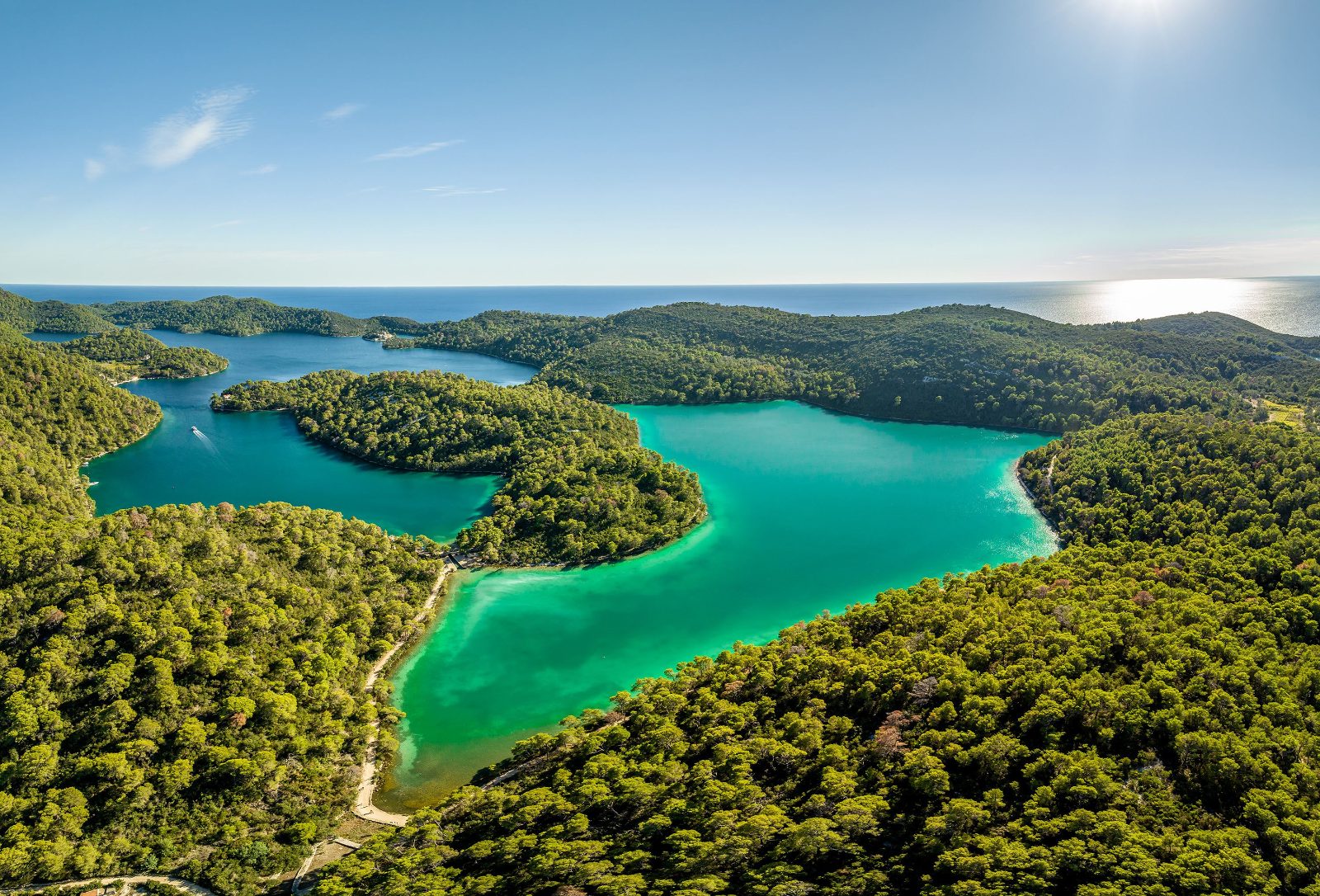
Yes, Mljet is worth visiting if you prioritize nature over nightlife. The national park protects two interconnected salt lakes, 12 kilometers of marked trails, and a 12th-century Benedictine monastery on an island within a lake. Main season adult entry costs 25 EUR and includes solar boat access and all trails. The park opens daily from 07:30 to 20:30 between June and September.
Mljet receives fewer visitors in a season than Dubrovnik's Old Town sees in a week. That statistic alone answers whether the island merits a trip—if solitude and intact forest matter more than infrastructure and evening options, the calculus is clear. The western third of the island has been protected since 1960, and the lakes remain brackish, tidal, and surrounded by Aleppo pine that meets the water without a beach or boardwalk in sight. The island's appeal rests on absence rather than spectacle. There are no fortifications, no marble promenades, no symphony of bells at sunset. What Mljet offers instead is 12 kilometers of trail through Mediterranean oakwood, two lakes deep enough to swim in May and calm enough to kayak in October, and a monastery that predates the Republic by two centuries. The solar boat crosses Veliko Jezero every half hour, depositing visitors at the monastery island where a stone refectory and cloister arcade remain open to walk through. The structure is Romanesque, the setting is postcard-still, and the return boat leaves whether you are ready or not. Whether visiting Mljet makes sense depends on how you measure a day's success. If ticking landmarks and catching the golden hour at three different lookouts defines value, the island will feel slow. If walking an hour without seeing another group and swimming in a lake that connects to the Adriatic through an underwater channel sounds restorative, the 25 EUR entry and two-hour ferry from Dubrovnik are proportional. The park's infrastructure is minimal by design—a ticket kiosk, a bike rental counter, two cafés, and trail markers. There is no visitor center, no audio guide, no curated loop. You are handed a map and left to walk. The best argument for visiting Mljet is that it has not yet been optimized. The trails are packed earth, not paved. The monastery sells no merchandise. The lakes have no artificial lighting, no parasols, no dedicated Instagram backdrop. The island operates as a national park in the older sense—protected, accessible, and unembellished. If that registers as boring, skip it. If it registers as rare, book the early ferry and arrive when the park opens at 07:30. By 10:00 the day-trippers from Dubrovnik begin to land, and the lakes lose their stillness. The window for solitude is narrow, and it closes fast.
“Mljet receives fewer visitors in a season than Dubrovnik's Old Town sees in a week.”
To experience the lakes in relative quiet, the best arrival window is 07:30–10:00. Arriving during this period allows you to explore the park before the arrival of ferry-based day-trippers.
Mild, 18-23°C
Enjoy comfortable temperatures and thinner crowds than the peak summer months.
Warm, 25-30°C
Expect higher visitor density and hot weather; early morning arrival is necessary.
—
Visiting on a weekday within the 07:30–10:00 window provides the most serene park environment.
Verdict: The concrete best slot for a visit is weekday mornings between 07:30–10:00 during the shoulder months of May or October.
This itinerary suits visitors taking a full-day trip from Dubrovnik, balancing the main sights with time to walk and swim. Plan for six to seven hours on the island, including transfers.
Board the solar-powered catamaran from Pomena or Polače and cross Veliko Jezero to the islet. The ride takes about 15 minutes and is included in your national park entry.
Walk through the 12th-century monastery and its cloisters, then climb the bell tower for views over the lake. Allow 30–45 minutes.
Follow the lakeside path through pine forest—walking the full loop takes roughly two hours, cycling about one. The trail is flat and well-marked.
Head to the smaller lake for a swim in the calm, brackish water. The shore is quiet and the water stays cool even in summer.
Stop at a family-run konoba for grilled fish or octopus salad. Most serve locally caught seafood and island-grown vegetables.
Catch your ferry back—departures typically run mid-to-late afternoon. Factor in the 90-minute crossing when booking onward plans.
Mljet National Park operates on a consistent daily schedule throughout the week to accommodate visitors. Planning your ferry arrival according to these set times ensures you have sufficient time to explore the park grounds.
Everything you need to know about is mljet worth visiting
Determining if Mljet is worth visiting often depends on your interest in nature, as this Adriatic island is known for its salt lakes and Mediterranean pine forests. Most travelers find the tranquil environment a worthwhile contrast to busier mainland locations.
To get the most out of your visit, the best arrival window is 07:30–10:00. Arriving early helps you avoid peak crowds of day-trippers and allows you to experience the lakes in relative silence.
The entrance fee is 25 EUR for adult entry during the main season from June to September. Many visitors consider if Mljet is worth visiting based on this price, which covers access to the park's primary trail systems.
Families often wonder if Mljet is worth visiting with children, and the park is generally accessible for family walks around the salt lakes. Please check current park regulations to ensure your planned activities align with park rules.
Your ticket includes the use of the solar boat, which is a convenient way to reach the island of St. Mary within the Great Lake. These boats are included in the standard admission, adding value for those considering if Mljet is worth visiting for a full day excursion.
While summer is a popular season, arriving within the recommended early window ensures a quieter experience. Seeking out hidden swimming spots along the shoreline is a common strategy for visitors who want to escape the midday heat.